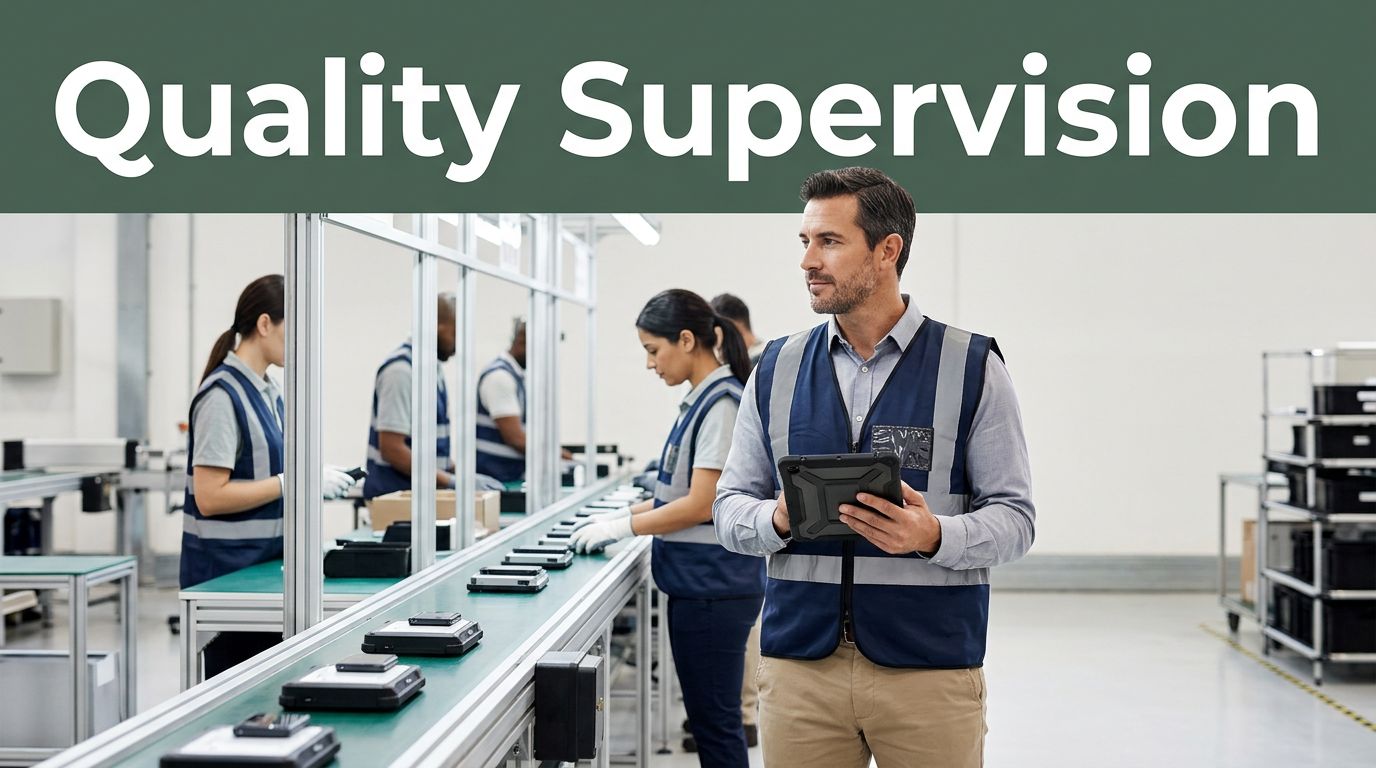
The worst quality failures feel personal when you’re the customer. A phone that won’t charge. Food that arrives spoiled. A missing part that holds up your whole project. Then the blame spreads, and trust takes longer to rebuild than the fix itself.
That’s where supervisors in quality control make a difference. They sit between the day-to-day work and the standards the company promises. Because when defects happen, it’s not enough to spot them. Someone has to stop the next ones.
In practice, their role is part coaching, part inspection, and part problem solving. They train teams, run checks, review data, and push fixes through the system. They also help other departments stay aligned, so quality doesn’t become “someone else’s job.”
Here’s the main takeaway: quality control supervisors don’t just catch problems. They build repeatable results, so fewer issues reach customers. Next, let’s break down what they actually do each day.
Daily Tasks That Keep Quality on Track
Supervisors keep quality moving forward like a traffic controller at a busy intersection. They watch the flow, spot slowdowns, and reroute work before accidents happen. In manufacturing, food production, and even services, their daily tasks usually fall into a few core buckets.
Training workers on safety and quality rules
Quality starts before the first item ships. Supervisors help teams understand what “good” looks like.
- Show new hires how to follow safety steps and quality checks
- Review updated rules (labels, specs, sampling plans, hygiene)
- Correct mistakes early, while work is still easy to redo
If you want a clear job-role snapshot, see how manufacturing quality supervisors are described in practice.
Assigning shifts, setting priorities, and giving feedback
The line doesn’t stop for training. So supervisors plan around real schedules.
- Assign work based on skill level and risk on each task
- Set daily priorities (high-defect items first)
- Share quick feedback from recent checks and audits
Leading inspections and audits
Even good teams make mistakes. Audits catch patterns, not just one-off errors.
- Walk the floor and observe process steps
- Run internal audits against the standard (ISO-aligned where needed)
- Verify that teams follow the sampling plan
Testing samples and coordinating lab work
Quality control is more than eyeballing parts.
- Review test results from lab equipment
- Approve or reject samples based on clear criteria
- Escalate unusual results to engineering or suppliers
Creating reports and driving fixes
Data doesn’t help if it just sits in a folder.
- Write clear reports with the “what” and the “why”
- Record nonconformities and corrective actions
- Track fixes until the process improves, not just the paperwork
Running team meetings and aligning departments
Quality touches many roles. Supervisors keep communication tight.
- Hold short shift meetings (what changed, what’s trending)
- Update production and maintenance on repeated failures
- Coordinate with procurement when supplier lots cause issues
To see how job descriptions typically break down these responsibilities, this quality supervisor job description overview is a helpful reference point.

Quick tip: When a defect repeats, don’t focus on “who missed it.” Focus on the step that makes it easy to miss.
Helping departments meet ISO and other standards
Many companies use ISO-style systems. Supervisors support them in practical ways.
- Make sure checklists match the latest standard
- Confirm records are complete (traceability matters)
- Support internal audits across departments
All these tasks reduce big problems. They prevent rework. They also cut the chance of a costly recall.
Training Teams and Spotting Issues Early
One of the best quality moves is boring: training, then repeat it. Supervisors build skill, so teams don’t rely on luck.
Onboarding new hires the right way
New people often mean new errors. A supervisor reduces risk by training to the process, not the “vibe.”
- Demonstrate the exact inspection points
- Explain common failure modes and what causes them
- Practice with real examples, not only ideal samples
Ongoing skill updates (because standards change)
Specs shift. Equipment gets updated. Suppliers change materials. So the supervisor refreshes skills regularly.
- Short refreshers between shifts
- Follow-up coaching after errors or failed checks
- Targeted training when audits find gaps
Daily checks to catch flaws fast
Supervisors also set routines. Small checks are like smoke alarms. They cost less than fire.
For example, a supervisor might notice a tightening process drift. Then they review recent torque records, correct the setup, and stop bad parts before they spread.
A strong supervisor can even prevent a recall. Consider this scenario: a packaging supervisor catches a label mismatch during a routine audit. The issue was trending, but no one realized how far it went. The supervisor escalated it, stopped the affected batch, and corrected the process before it left the site.
Running Audits and Crunching Data
After training, the supervisor’s next job is to prove control. That means inspections and data analysis.
Inspections on the line (not only at the end)
Supervisors plan checks that match risk.
- Verify critical dimensions and safety requirements
- Monitor visual defects that signal process drift
- Confirm equipment settings match the work instruction
Sample testing and trend tracking
Instead of only pass/fail results, supervisors look for patterns.
- Compare current test results to prior runs
- Track defects by product, shift, and supplier lot
- Watch for gradual drift, even if results still “pass”
Using basic stats tools to guide decisions
Even when companies don’t run advanced quality programs, supervisors still use math.
Tools like Excel charts, control charts, or Pareto views help. They show which defect types steal the most time and scrap.
If you want a reminder that quality is data-driven in 2026, Quality Magazine highlights how SPC and AI integration are rising in practical ways. See trends and predictions in quality in 2026.
Writing reports that lead to action
A good report tells the story.
- What happened
- What changed
- Where the problem likely started
- What the next fix will test
Then the supervisor follows up. They verify the fix worked, not just that a form was completed.
Skills That Make Supervisors Stand Out
A supervisor can’t do quality work alone. Still, their skills often decide whether quality improves or stalls.
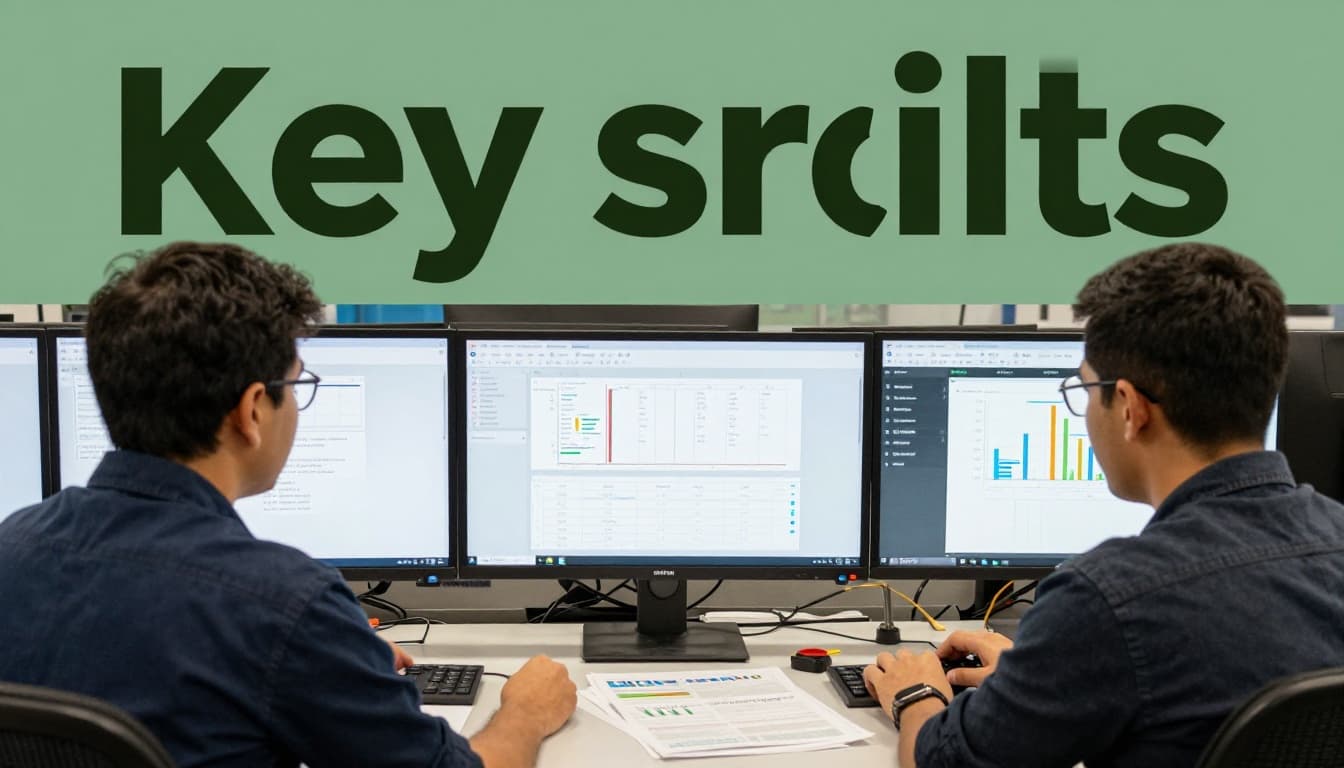
Supervisors need both hard skills (quality methods) and soft skills (people leadership). Here’s a practical checklist you can scan.
Skills checklist for quality control supervisors
Hard skills
- Process knowledge: Understand the steps well enough to spot drift
- Inspection methods: Sampling plans, measurement basics, and test criteria
- Quality frameworks: ISO 9000 concepts, plus SPC thinking
- Problem-solving: Root-cause methods (like 5 Whys or structured analysis)
- Stats and interpretation: Mean, variation, and basic trend logic
- Quality tools: Excel, and sometimes Minitab or similar software
Soft skills
- Clear communication: Simple instructions, clear feedback, no blame
- Leading and coaching: Help people improve without shutting them down
- Attention to detail: Catch small issues that signal bigger ones
- Fast, fair decisions: Escalate quickly when risk is real
- Conflict handling: Calm conversations when teams disagree
- Consistency: Apply standards the same way, every shift
For deeper background on what companies look for, this key professional skills overview for quality control supervisors can help you compare your own experience to common expectations.
Tech Tools and Quality Know-How
Supervisors don’t need to code. But they should understand what tools do.
- SPC/control charts help spot variation before defects explode
- Dashboards highlight lines or shifts with higher risk
- Lab collaboration matters when results take time
Think of it like driving with a dashboard. You don’t stare at the engine. You watch the readings so you can act early.
Also, tool skill includes basic data hygiene. If records are wrong, the numbers lie.
Leading People Through Clear Communication
Quality work fails when people feel unsafe to speak up. Supervisors prevent that.
They also set expectations in human terms.
- “Here’s the spec.”
- “Here’s how to check it.”
- “Here’s what we do if it fails.”
They give feedback fast. Then they clarify next steps. If there’s conflict, they slow down and focus on evidence, not opinions.
When supervisors communicate clearly, teams improve faster. When they don’t, defects repeat and morale drops.
How Supervisors Boost Your Bottom Line
Quality control supervisors save money in ways that don’t always show up on the factory floor. In short, they reduce waste and protect revenue.
Safer products mean fewer recalls and less downtime
Recalls can wreck budgets. Even when they don’t happen often, quality failures still cause rework, scrapped inventory, and stoppages.
In 2025, US recalls hit 3,295 events, up from 3,232 in 2024. Those numbers include many industries. The lesson stays consistent: when quality control weakens, costs rise.
Supervisors help because they catch problems earlier. They also push corrective actions that reduce repeat defects.
Happy customers lead to loyalty
When products arrive right, customers trust you. They reorder. They refer others.
Supervisors influence this indirectly by reducing “surprise failures.” Instead of reacting to complaints, teams fix root causes.
Lower costs from faster fixes and less scrap
A defect caught early costs less than one caught after packaging. Supervisors reduce total cost by:
- improving inspection accuracy
- reducing rework loops
- tightening handoffs between steps
Better growth in tough markets
In crowded markets, people can switch brands fast. Reliability becomes a selling point.
Even if your company doesn’t advertise “quality control,” customers feel it. They notice fewer returns. They notice fewer support tickets.
Supervisors are often the quiet reason those metrics improve.
Tough Challenges Supervisors Face Daily
Even great supervisors hit friction. The job combines pressure, people limits, and real-world messiness.
Below are common hurdles they handle, without losing the standard.
Juggling Deadlines Without Cutting Corners
High speed causes temptation. When lines run fast, mistakes feel harmless at first.
Supervisors solve it by prioritizing checks.
- Focus on the most risk-heavy steps
- Use sampling plans that match the defect history
- Escalate quickly when trends worsen
They also protect inspection time in the schedule. If checks get skipped “this once,” defect patterns often return. Later, the company pays with more downtime.
Managing Team Drama and Skill Gaps
A supervisor deals with more than defects.
Some days you face absences. Other days you get new hires who learn slowly. Sometimes you face a team that’s burned out.
Supervisors handle it with steady coaching.
- Re-teach the basics, instead of assuming people know
- Assign work based on current skill level
- Keep feedback specific and respectful
They also set expectations for speaking up. If people hide errors, quality collapses. When people report issues early, supervisors can act fast.
Handling complaints and shifting rules
Customer issues can arrive suddenly. Regulations can change. Supplier lots can vary.
Supervisors respond by updating the control plan.
- Review complaint details
- Trace the issue to a batch or process step
- Confirm corrective actions hold up over time
They also coordinate with compliance or engineering as needed.
Balancing speed vs quality
Every production system has tradeoffs. A supervisor’s job is to find the point where quality holds without strangling output.
That means using data, not gut feel. It also means communicating clearly with production leaders.
If quality only gets attention after a failure, quality becomes a crisis job.
Proven Tips and Hot Trends for 2026
In 2026, supervisors are still doing inspections and coaching. But the tools and expectations are changing.
Supervisors who win build habits that keep quality consistent. They also adopt new approaches that help teams spot flaws sooner.
Everyday Habits for Top Results
Here are practical habits supervisors can use daily.
- Hold short, frequent meetings so updates don’t get lost
- Track defects by shift and supplier to find repeat causes
- Use “right first time” thinking when setting targets
- Document the fix and verify it before closing issues
- Share learnings across lines so problems don’t repeat elsewhere
Also, a supervisor’s best habit is follow-up. A corrective action isn’t done when someone signs a form.
What’s Next: AI and Digital Shifts
AI isn’t replacing supervisors. It’s changing how they detect problems and how fast they act.
Real-time quality monitoring is one key shift in 2026. AI can flag patterns earlier than manual checks. It can also support predictive ideas when data is clean.
However, AI needs quality data. If records are messy, AI results can mislead. So supervisors still own the quality of the quality data.
For a direct look at what’s changing in AI-based inspection, read Beyond Defect Detection: The New Rules of AI Quality Control in 2026.
Another trend is sustainability tied to quality. Green materials checks, waste reduction, and energy efficiency show up in more quality plans. When scrap drops, costs drop. When materials are verified, risks drop too.
Remote audits also get more common, especially when teams are distributed. Supervisors still check records and processes, but they use more tools to validate evidence.
Meanwhile, some companies expand app-based training. This supports quick refreshers without pulling people off the line.
The core stays the same: supervisors turn standards into daily behavior.
Gotcha to watch: A “digital” system doesn’t improve quality by itself. Supervisors must teach teams how to trust, use, and act on the data.
Conclusion
Poor quality doesn’t just ruin products. It ruins customers’ days. That’s why the role of supervisors in quality control matters so much.
Supervisors train teams, run audits, interpret data, and drive fixes. They also handle the hard parts, like speed pressure and skill gaps. When they do the job well, companies reduce defects, cut waste, and protect trust.
If you lead teams, review how your quality supervisors spend time. Do they get enough time for checks and follow-up? If you’re in the role, pick one skill to strengthen this month, like inspection coaching or clearer report writing.
What’s one quality win you’ve seen a supervisor create? Share it in the comments, and subscribe for more practical quality guidance. If you want a head start, build a simple supervisor checklist from your current audit gaps and update it every quarter.