You’ve probably felt it before. A product looks fine on day one, then it breaks early. Or service starts strong, but your request gets lost and you stop coming back.
So what do businesses mean by quality? At its core, quality means meeting customer needs, on time, with steady results. It also means adding value without waste, whether that waste is time, money, or effort.
In 2026, companies can’t treat quality like a checkbox. Customers expect better results, plus clearer proof that products and services fit modern sustainability and tech expectations.
Next, you’ll see how businesses build quality from the ground up, what they measure, which standards guide their decisions, and how new trends change the definition. Ready to compare how quality really shows up in the real world?
The Building Blocks of Quality in Products and Services
Businesses often think of quality as two different problems. One is for products. The other is for services. They overlap, but the details matter.
For physical products, quality usually starts with tangible specs. Does it last? Does it work as promised? Do defects stay low? A company might tune a coating thickness, tighten tolerances, or change a supplier to reduce failures. In other words, quality shows up in what you can measure and inspect.
For services, quality is harder to hold in your hands. Instead, it’s about how reliably the service delivers outcomes. Is help there when you need it? Does the staff respond with skill and respect? Do you feel heard? In many service settings, quality comes down to the gap between what customers expect and what they actually experience.
A simple way to picture it: a phone that survives daily drops for years is product quality. But a repair shop that returns calls quickly and fixes your phone right the first time is service quality.
Many companies also connect quality to value without waste. That means reducing rework, shortening wait times, and avoiding “almost right” outcomes. When quality improves, customers feel it. At the same time, internal teams save money and effort.
For service teams, one common way to structure quality thinking uses SERVQUAL, which breaks service quality into parts customers notice.
Spotting Quality in Physical Products
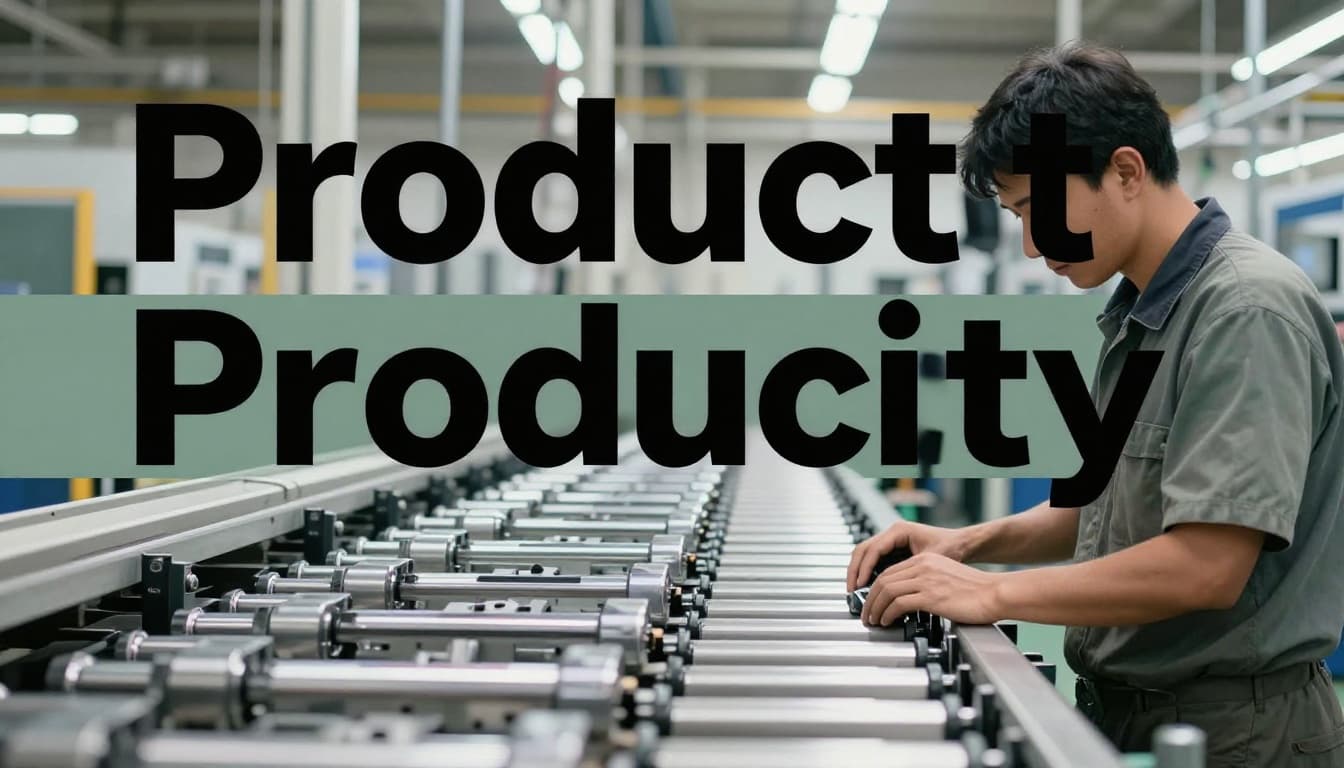
Physical product quality tends to show up as fewer surprises. Customers trust you when breakdowns happen less often. They also trust you when performance stays consistent.
Three traits drive that trust. Reliability, efficiency, and zero defects. Reliability means fewer breakdowns. Efficiency means you produce useful output fast. Zero defects means your finished items meet requirements without failures, reworks, or returns.
One popular plant-floor framework is OEE, or Overall Equipment Effectiveness. It helps teams combine uptime, speed, and output quality into one view. The idea is simple. If a machine runs but produces bad parts, you don’t really have “good” output.
Here’s a factory story pattern many teams recognize. A line keeps stopping for adjustments, so workers rush later. Then defects rise, and inspections catch problems late. If OEE improves, those stops reduce. As a result, teams produce more good units per scheduled hour. Customers see fewer defects, and the business sees lower unit costs.
Quality Markers for Services That Customers Feel
Service quality lives in moments. It’s in the first response time. It’s in how staff explains options. It’s in whether you feel safe to ask for changes.
To make this practical, many companies use the SERVQUAL idea of five customer-facing areas: tangibles, reliability, responsiveness, assurance, and empathy. If you want a clear walkthrough of these dimensions, see Improve Service Quality with the SERVQUAL Model.
- Tangibles: the look and feel of the space or app
- Reliability: doing what you promised, every time
- Responsiveness: quick help, not long delays
- Assurance: staff knowledge and confidence
- Empathy: you feel understood, not brushed off
Think about a restaurant. If staff forgets orders, customers won’t remember the free dessert. They’ll remember the wait, the mix-up, and the “we’ll fix it later” response.
Or think about app support. If you submit a ticket and get a helpful reply fast, your trust rises. If the agent sounds unsure or repeats policies without solving the issue, quality drops.
When these SERVQUAL gaps shrink, repeat customers follow. That’s why many service teams treat quality like a daily habit, not a quarterly review.

Key Metrics Businesses Use to Measure Quality Success
If quality is a feeling, metrics are how businesses avoid guessing.
Most companies pick metrics that match their definition. Product teams track defects and equipment output. Service teams track customer outcomes and loyalty.
In 2026, many teams also combine “human” signals with “system” signals. That means surveys plus usage data. It also means dashboards that update often, not monthly.
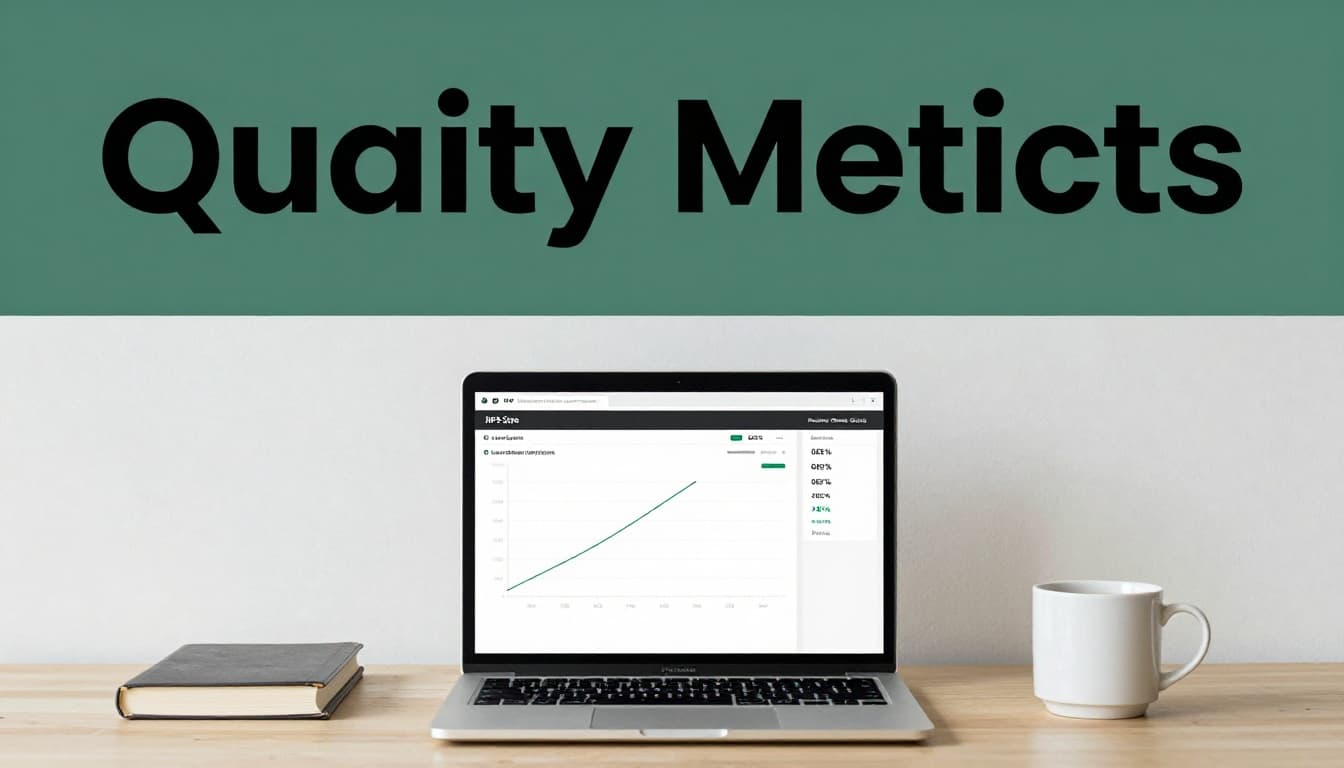
Here are common quality metrics, and what they say:
- NPS (Net Promoter Score): loyalty and word-of-mouth.
Simple form: NPS = (%promoters) minus (%detractors), based on 0 to 10 ratings. - Churn rate: the percent of customers who leave.
Lower churn often means better service and product fit. - Retention: the percent who stay.
It often works best when you track it by segment. - Defect rate: failures per batch (or per million units).
Many teams aim low enough that customers never notice. - CLV (Customer Lifetime Value): profit from a customer over time.
Quality can raise CLV by reducing returns, fixes, and cancellations. - Cycle time: how long tasks take.
Shorter cycle times can improve quality because issues get fixed sooner.
Each metric answers one question. Together, they show whether quality is actually improving.
Customer-Focused Scores Like NPS and Retention
NPS answers a simple question: will customers recommend you? Usually, teams consider ratings like 0 to 10, then sort people into promoters and detractors.
Benchmark context matters. A score that looks “good” in one industry might be average in another. For a 2026 view of what “good” can mean by industry, check What Is a Good NPS Score? Benchmarks by Industry in 2026 | Lorikeet.
Retention connects quality to repeat value. When you reduce failures and improve support, customers buy again. They also complain less. That lowers cost and boosts trust.
Picture a coffee shop with high NPS. Regulars return because orders arrive right. Baristas know how they like their drink. You don’t feel like a number.
In contrast, churn jumps when customers must fight for fixes. Quality failures don’t just create refunds. They also create habits of leaving.
Production Metrics: Defects, OEE, and Cycle Time
On the product side, quality measurements help teams catch problems early.
Defect rate measures failures. Teams often include rework and fixes, not just final product rejects. If defects rise, costs rise fast. You spend time correcting, then you risk shipping something that disappoints customers later.
OEE brings together three parts:
- availability (uptime)
- performance (speed vs plan)
- quality (good output vs total)
If you want a practical OEE overview, see Complete Guide to Overall Equipment Effectiveness (OEE).
When OEE improves, it usually means fewer stop-and-start issues. It also often means better maintenance planning and cleaner setups. Plus, teams waste less time on scraps.
Cycle time adds another angle. Even if defects are low, long cycle time can still hurt quality. Why? Waiting longer gives issues more time to spread. It also slows learning from problems.
Long-Term Wins with Customer Lifetime Value
Quality should pay off over time. That’s where CLV helps.
CLV often looks like average spend, times years the customer stays, minus the costs to serve them. If quality reduces returns and cancellations, CLV rises. If quality is weak, customers leave early, and marketing costs jump.
A business with strong product quality might earn steady repeat purchases. A business with strong service quality might earn renewals because customers trust support.
The big idea is this: quality is cheaper than fixing quality problems later.
Standards and Fresh Trends Redefining Quality in 2026
Quality definitions are also being shaped by standards and new tech.
Many companies still start with ISO 9001. It helps them build a system for consistency. Then they use data to improve, instead of relying on personal opinions.
ISO quality thinking works well for both products and services. It forces teams to plan processes, follow them, check results, and act on gaps. That cycle reduces random quality swings.
In 2026, trends add a new layer. Teams now aim for quality that’s harder to break because it’s tied to risk signals, sustainability needs, and real customer feedback.
Global Benchmarks Like ISO 9001
ISO 9001 is a well-known quality management standard. You can review the official description of ISO 9001:2015 – Quality management systems — Requirements.
In practical terms, ISO 9001 pushes teams to:
- define key processes
- track performance
- manage risks
- improve based on evidence
For small companies, this can still help. It brings structure and reduces “who knows the process?” problems. For larger teams, it supports consistency across sites.
Also, certification can matter in sales. Some customers expect proof you run reliable systems.
AI, Sustainability, and Smart Feedback Shifts
AI is changing how businesses define quality because it changes how early problems show up.
Instead of checking defects at the end, teams can predict failures earlier. For example, predictive maintenance can flag parts that will likely fail. Then quality improves because breakdowns drop before they cause chaos.
Sustainability also reshapes quality. More customers and regulators want proof of lower waste and responsible inputs. In practice, this can mean eco-materials and better packaging. It can also mean reducing scrap and energy use, which improves both quality and cost.
Finally, feedback is getting smarter. Businesses blend surveys, support history, and product usage. That gives a more accurate picture than any single score.
Real Companies Showing How Quality Pays Off
Quality wins show up as fewer complaints, better retention, and stronger output.
In automotive, some teams have used AI simulation and analytics to test factory changes before full rollout. That helps them avoid quality loss while improving output. Even when the exact improvements vary by plant, the method is common: test changes, measure impact, then scale what works.
In manufacturing generally, companies often build quality through shared ownership. They connect shop-floor data, training, and standard work. Then they use OEE and defect trends to target the biggest cost drivers first. As a result, teams build trust internally. Customers feel it because orders arrive right and stay right.
Service businesses see similar patterns. A bank, for example, might improve service quality by reducing response gaps. If agents handle calls with better knowledge, customers get fewer transfers and faster resolution. That’s quality you can measure in NPS and retention.
The lesson is clear: data plus action beats data alone.
Conclusion
Quality means more than “good enough.” For products, it means reliability, strong performance, and low defects. For services, it means meeting expectations in real customer moments.
Next, the best businesses measure quality with the metrics that match their definition. They watch scores like NPS and retention. They track production results like defect rate and OEE. Then they improve using standards like ISO 9001, plus newer tools like AI and sustainability reporting.
When you treat quality as a system, not a slogan, you get fewer surprises and more loyal customers. What’s your biggest quality challenge right now: defects, delays, or trust?