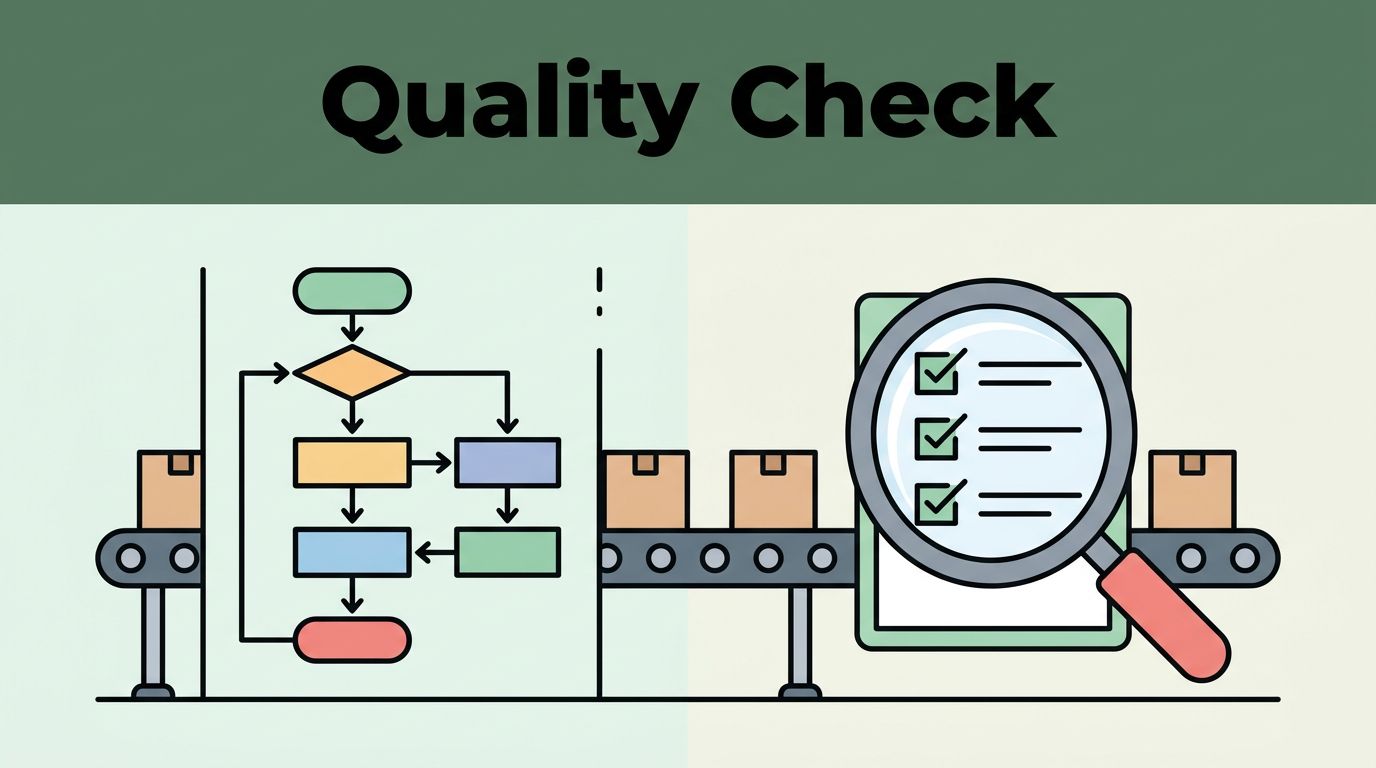
Have you ever followed a recipe and skipped the taste test? You might cook something “correct” on paper, then realize it tastes wrong. That’s the difference between quality assurance (QA) and quality control (QC) in plain terms. QA focuses on preventing defects through the way you work. QC focuses on catching defects in the finished output.
The difference between quality control and quality assurance can cost businesses money fast. In 2026, teams move quickly, supply chains are less stable, and customer expectations stay high. When people mix up QA and QC, they often fix issues late. That means rework, refunds, schedule slips, and extra meetings.
Here’s the bottom line. QA builds confidence that your process makes good results. QC checks whether the result actually meets the rules. This guide breaks down what each one means, shows real examples, and gives practical tips to blend them without wasting time.
Next, let’s start with QA and why it works even when nobody “inspects” anything yet.
What Quality Assurance Really Means and Why It Works
Quality assurance is your plan for building confidence that your process can meet requirements. Instead of waiting for errors, QA works to stop them early. It’s about how work gets done, not just what gets produced.
In 2026, QA also gets tied to risk and consistency. Teams document expectations, train people, and control change. When something shifts, QA helps you notice before defects spread.
QA typically includes planned activities that run before production and during production. So, it isn’t only a “paper system.” It’s also check-ins, reviews, and controls that make failure less likely.
Common QA activities include:
- SOPs (standard operating procedures) that define how work should run
- Staff training so people follow the same quality rules
- Equipment calibration to keep tools accurate
- Supplier audits to reduce bad inputs upstream
- Process reviews that update steps when new risks show up
If your team blurs QA and QC, you might end up “inspecting your way out” of problems. That’s expensive. It also hides root causes.
For a deeper look at how QA and QC fit inside a Quality Management System, see Quality Assurance vs Quality Control: The Complete Guide for Regulated Industries. It also covers how confusion shows up in audits.

Why QA usually saves money later
When QA works, fewer defects reach later stages. That often reduces:
- Rework (fixing mistakes after the fact)
- Scrap (throwing out items that fail)
- Late corrections (changing things after schedules lock)
- Customer complaints that turn into returns and repairs
Think of QA like setting up your kitchen workflow before cooking. If you prep tools, measure consistently, and follow reliable steps, the recipe is more likely to turn out right. QC is when you taste the dish and decide whether it truly hits your standard.
Quick 2026 mindset shift
Good QA doesn’t mean “slow down.” It means standardize decisions and reduce surprises. Then QC becomes a final checkpoint instead of a long rescue mission.
Everyday Examples of QA Keeping Problems Away
QA shows up in your daily workflow, even when nobody calls it “quality.” Here are a few realistic examples.
First, manufacturing teams often build QA by locking in process steps. For example, they write an SOP for how parts get measured, assembled, and labeled. Then they train new hires to follow the same sequence. When that training is consistent, you see fewer wrong assemblies later.
Next, software teams use QA to reduce bugs caused by process drift. They might run audits of the development process, review whether test coverage stays on track, and confirm that teams follow the release checklist. That’s QA because it targets how the work happens.
In food production, QA can look like hygiene training and equipment checks. Staff learn sanitation rules, and supervisors verify the process before batches ship. That reduces contamination risk and protects brand trust.
Finally, QA often includes supplier work. A company may qualify vendors, check incoming materials, and review supplier performance data. If a supplier’s quality drops, QA helps you react through established controls.
These examples share one theme. QA tries to prevent the “bad outcome” before it becomes a costly event.
Quality Control Step by Step: Spotting Issues in the End Product
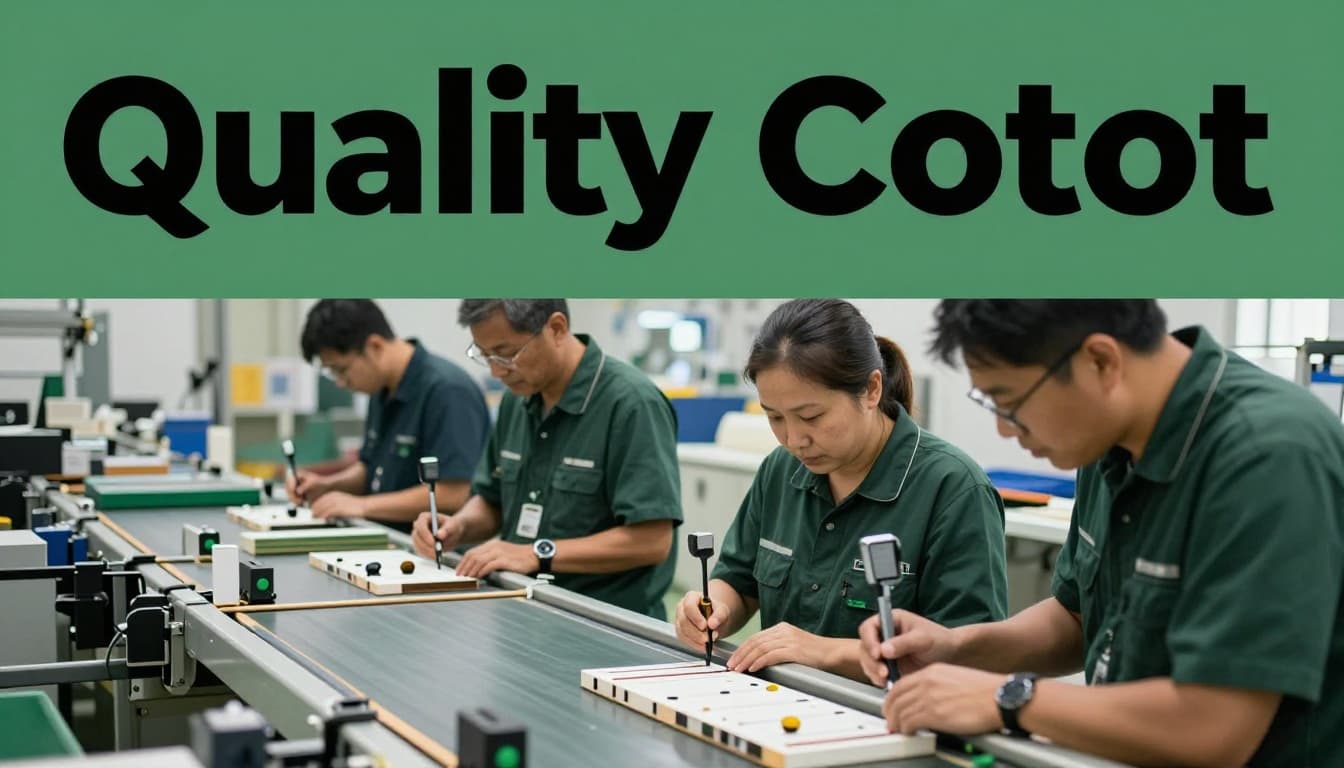
Quality control is the set of operational checks that verify products or services meet requirements. In other words, QC is about the output. It confirms whether what you made actually passes.
QC happens after production steps, or at key points near completion. It’s more reactive than QA. QC is what you do when the product exists and you can measure it.
A typical QC setup includes:
- Product-focused checks (dimensions, performance, appearance, safety)
- Specialist inspectors or test staff with defined acceptance criteria
- Tools and tests like gauges, labs, durability checks, or software test runs
If QA is the recipe workflow, QC is tasting the dish and comparing it to your flavor standard.
Here’s a simple way to see QC in action.
| QC check | What it measures | Common tools | Timing |
|---|---|---|---|
| Part sizing check | Dimensions and tolerances | Calipers, micrometers | After machining or assembly |
| Toy durability test | Wear, impact, break risk | Drop tests, torque tools | Near end of production |
| Food batch test | Safety and quality indicators | Lab samples, batch logs | After prep, before release |
| Software verification | Functions, stability, regressions | Automated test suites | Before release and after builds |
When QC finds a defect, it triggers containment. Then teams decide whether to rework, scrap, or route for approval.
QC in 2026 is more than “inspect everything”
Some teams still do 100% inspection. But most mature systems use smarter checks to save time. They rely on sampling, risk ranking, and automated tests.
If you want a manufacturing-focused view of how QC fits into modern operations, check Elevating Manufacturing Excellence: A Quality Control Guide for 2026 and Beyond. It helps connect QC to practical plant decisions.
Common QC Tools That Make Checks Fast and Reliable
QC tools exist to answer one question: “Does this meet the standard?” The best tools reduce human error and speed up decisions.
Here are common QC approaches teams use:
- Checklists: These standardize what inspectors verify. They reduce missed steps during busy shifts.
- Sampling methods: Instead of testing every unit, teams test a selected set. Sampling saves time while still controlling risk.
- Measurement instruments and labs: Gauges, testers, and batch labs confirm specs you cannot guess.
- Automated testing for software: Test suites run repeatable checks across builds. Automation also supports fast regression testing.
One important idea: sampling works only when your QA controls keep processes stable. Otherwise, QC catches too many failures, and everything slows down.
That’s why the strongest teams treat QC results as signals, not just “pass or fail.”
The Biggest Differences Between QA and QC at a Glance
At a glance, QA and QC sound similar. But their job changes depending on whether you’re preventing defects or verifying results.
For more comparisons, see Quality Assurance vs. Quality Control: Top 5 Differences – Scilife. It’s a quick way to sanity-check your understanding.
Here’s the key contrast table.
| Area | Quality Assurance (QA) | Quality Control (QC) |
|---|---|---|
| Focus | Processes that prevent defects | Products and services that meet standards |
| Timing | Before and during production | After production or at end checkpoints |
| Goal | Prevent problems from happening | Detect and confirm quality in the output |
| Who is involved | Whole teams and process owners | Inspectors, testers, and QC specialists |
| Typical output | SOPs, training, audits, controlled changes | Inspection results, test data, pass-fail decisions |
| Simple analogy | The recipe workflow | The taste test |
QA builds in quality through how you plan and run work. QC verifies quality through evidence that the final output passes.
If you rely only on QC, you’ll spend more time fixing issues late.
If you strengthen QA, QC catches fewer defects.
How Timing and Focus Change Everything
Imagine a factory making a bracket that must fit tightly. QA ensures the machining steps, tooling limits, and calibration schedule are defined. QC then checks dimensions after machining.
Now flip the scenario. If QA is weak, the machine drifts. QC will fail more parts. That means slower output and more rework. Worse, QC data may keep repeating the same defect story because the process controls never improved.
Team Roles: From Everyone to Specialists
QA works because many people touch the process. Operators, engineers, managers, and suppliers all influence quality. QA turns “good intentions” into repeatable behavior.
QC is more specialized. Inspectors and test staff need clear criteria and consistent tools. They confirm quality and document results so decisions stay traceable.
In strong systems, these roles support each other. QA uses QC results to improve the process. QC uses QA controls to make checks faster and more accurate.
Real-World Wins, Best Practices, and 2026 Trends
Many teams don’t get the full benefit until they connect QA and QC tightly.
A real-world pattern looks like this: QA reduces the number of failures reaching the end. QC then shifts toward verification and sampling instead of frequent rework. That saves time, but it also improves planning because production becomes more predictable.
Best practices usually include:
- Clear QA standards (training, SOPs, audits, and change control)
- Solid QC acceptance rules (what passes, what fails, and what happens next)
- Feedback loops so QC findings improve QA processes
In 2026, ISO 9001 updates also push quality teams toward stronger leadership expectations, better risk thinking, and more attention to how risks affect results. For example, the next revision is expected in late 2026 with a transition period that runs several years after publication. See ISO 9001:2026 — What to Expect in the Latest Version for the timeline and what changes teams should plan for.
Meanwhile, AI is reshaping QA and QC, especially in testing. Teams increasingly use AI to generate test cases, predict defect risk, and improve automation stability when apps change. This supports “shift-left” habits, meaning earlier quality work in projects, and it also supports ongoing checks after release.
One takeaway stands out: the best outcomes come when QA sets the foundation and QC validates with fast, accurate evidence.
Smart Ways to Blend QA and QC for Top Results
You can’t treat QA and QC like two separate departments. You need a connection between them. Here’s a practical way to blend them in your organization.
- Start with QA standards early
Define SOPs, training, calibration, and supplier controls before production ramps up. - Use QC data to update QA processes
When QC finds the same issue twice, treat it like a process problem, not an inspection problem. - Adopt automation where it reduces repeat work
Use automated checks for software and measurement routines, so QC focuses on exceptions. - Rank risk so checks match reality
If failure impact is high, tighten controls. If impact is low, use smart sampling. - Aim for fewer QC surprises
In 2026, teams that improve process stability often reduce the need for heavy end-of-line checking.
If you want a quick scan of where AI quality work is heading this year, see AI QA trends in 2026.
Conclusion
The recipe analogy holds up: QA is how you cook, QC is how you confirm the dish tastes right. The difference between quality control and quality assurance matters because it changes where you find problems and how much it costs to fix them.
When you build strong QA, QC becomes a fast verification step. When you only rely on QC, you end up chasing defects after they already caused damage.
Start by auditing your processes this week. Then capture what QC keeps finding, and use it to improve QA next. What’s one QC failure your team should treat as a signal to strengthen QA?