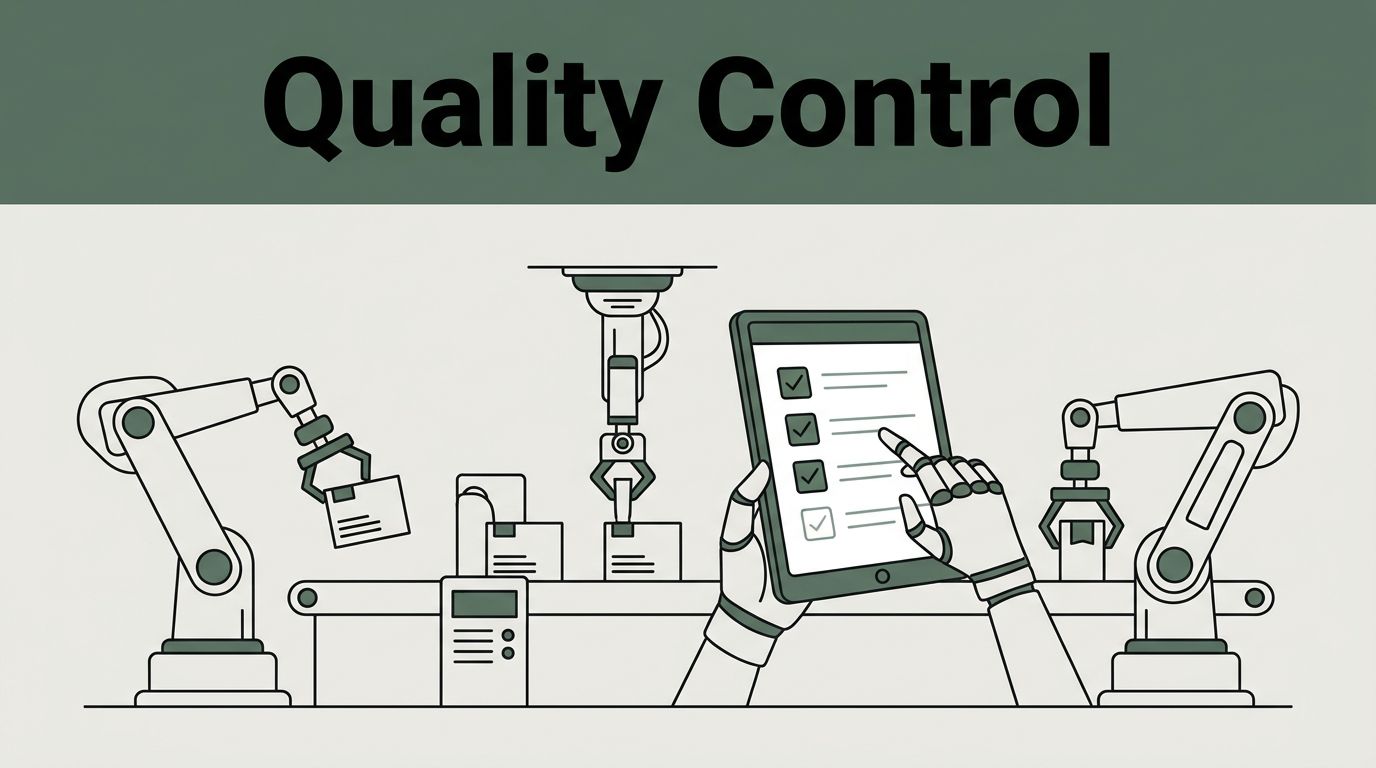
The last thing you want is to buy a gadget that breaks the same day. When that happens, you don’t just lose money. You lose trust.
That’s where quality control comes in. In plain terms, quality control is a set of smart checks and improvements that help businesses keep products and services consistent, and free from defects.
Whether you run a factory, a coffee shop, a small retail store, or an office, you can use the same basic ideas to catch problems early. A quick overview of common approaches is also laid out in this guide on quality control methods.
In the sections below, you’ll see six simple quality control methods, explained step by step. You’ll also learn how 2026 tech like AI and IoT is speeding up quality checks without turning your workflow into a mess.
Why Quality Control Builds Better Businesses and Happier Customers
Quality control is basically your business’s early warning system. Instead of finding issues after customers complain, you spot problems while there’s still time to fix them. As a result, you cut rework, returns, and wasted materials.
Think about it like this: if defects are leaks, quality control is the wrench you reach for before the floor floods. When you catch a problem at the right step, the damage stays small.
You’ll also see stronger customer trust. A reliable product earns repeat buyers. A reliable service gets fewer refunds and fewer bad reviews. For example, a coffee shop that checks each batch of beans can avoid bitter brews that lead to complaints. A clothing store that tests fabric early can prevent torn seams that drive return rates up.
Quality control also helps teams work more efficiently. When standards are clear and checks are routine, people spend less time guessing. They also spend less time repeating the same fixes over and over.
Most importantly, the basics work at any scale. You don’t need a huge budget to start. Even small teams can set simple inspection points, track process trends, and dig into root causes when something goes wrong.
Six Proven Quality Control Methods Explained Step by Step
There are many quality methods, but the core basics usually fall into a small group. These six methods help you do three things well: catch defects, stabilize processes, and fix root causes.
You can use them alone or mix them. Still, if you’re new, start with the simplest method that fits your daily work. Then build from there as your data grows and your confidence improves.
Inspection: Spot Defects Before They Reach Customers
Inspection means you check items using sight, measurement, or tests. You do it at key points, like before shipping, between steps, or right after production ends.
You might inspect everything (100% checks). Or you might inspect samples, depending on risk and cost. Then you either reject the bad work, fix it, or hold it until it passes.
Here’s a practical example. Before tires ship, inspectors look for cracks and flaws. They don’t wait for a tire to fail in real driving conditions.
Pros: Inspection is quick to start. It’s also easy for new staff to understand.
Cons: It can get tiring, especially if humans do repetitive checks.

To start without overthinking it, focus on training and consistency. Use checklists, and make the “pass or fail” rules clear.
- Write a short checklist for what to look for and how to measure it.
- Train staff on examples of good vs. bad items, not just definitions.
Statistical Process Control: Charts That Predict Problems
Inspection finds defects after they show up. Statistical Process Control (SPC) tries to stop defects before they pile up. It does this by tracking process data over time.
In SPC, you plot measurements on a control chart, like product size, fill weight, or temperature. Then you set limits. If the chart shows unusual variation, you investigate early, before you produce a full batch of off-spec work.
For a bakery example, SPC might track bread weight. If the points start drifting away from the expected range, the team adjusts the oven settings sooner.
SPC keeps decisions tied to data, not guesses. Also, it helps teams focus on the few causes that truly move results.
To understand how SPC works in real settings, see Statistical Process Control (SPC) basics.

Bottom line: SPC turns “something feels off” into “the chart says it’s changing.”
Statistical Quality Control: Smart Sampling for Batches
Statistical Quality Control (SQC) uses sampling to judge whole lots. Instead of charting every moment of the process, you test a random sample from a batch and use rules to decide whether to accept or reject it.
This method fits well when testing is time-consuming or when you can’t measure every item. For example, you might check fabric thread quality on a portion of shirts, then decide if the whole shipment meets standards.
A clothing firm might test 10% of a batch for seam strength or thread pull. If the sample fails, the whole lot gets stopped or reworked.
SQC and SPC can sound similar, but they differ in focus.
- SPC watches process stability over time.
- SQC makes a decision about a batch based on sample results.
In services, the idea still works. You might review a sample of completed orders each day, then adjust training or supplier steps when failures show up.
Six Sigma: Slash Defects with Data and Teamwork
Six Sigma aims to reduce defects so your process runs close to the target level. Many teams use DMAIC, a step-by-step method that keeps improvement grounded in evidence.
DMAIC stands for: Define, Measure, Analyze, Improve, Control. In other words, you name the problem, collect the right data, find the root causes, fix the issue, then lock in the gains.
For example, a hospital might map patient flow to cut long wait times. Then it measures where delays start. Next, it tests new steps, and controls the changes so waits don’t creep back.
If you want a simple way to see how these phases fit, this Six Sigma control phase (SPC) overview helps connect the dots.

Even if you’re not in manufacturing, the structure still works. Here’s the quick flow:
- Define what’s failing (and for whom).
- Measure how often and how badly it fails.
- Analyze the causes using data, not opinions.
- Improve by testing fixes on a small scale first.
- Control by setting standards and follow-up checks.
Total Quality Management: Quality from Everyone Every Day
Total Quality Management (TQM) is a company-wide approach. It treats quality as everyone’s job, not only a final inspection team.
TQM focuses on shared standards, training, and feedback loops. It also uses customer input to guide improvements. Instead of waiting for big problems, teams look for small issues early and fix them as part of daily work.
Imagine a hotel. When guests complain about slow check-in, a quality-focused team doesn’t only apologize. It gathers details. It adjusts staffing or the check-in steps. Then it tracks results so future guests face fewer delays.
TQM works best when you build routines. Clear standards help employees know what “good” looks like. Training helps them repeat those steps. Feedback helps you spot gaps before they become habits.
TQM also pairs naturally with other methods. Inspection and charts can provide signals. Root cause analysis can explain why. Then TQM turns fixes into lasting routines.
A key gotcha: quality control isn’t “catching mistakes.” It’s also preventing repeats.
Root Cause Analysis: Fix Problems for Good
When defects keep coming back, you need Root Cause Analysis (RCA). RCA means you go beyond symptoms and dig into what caused the problem in the first place.
Two simple RCA tools are 5 Whys and Fishbone (Ishikawa). They push you to ask deeper questions, until you find the real driver.
Picture a soda plant where bubbles are too high. The first “fix” might be changing the recipe. But with 5 Whys, you keep asking. Why are bubbles high? Because carbonation is off. Why is carbonation off? Because seals leak. Why do seals leak? Because a specific batch of parts wears too fast.
Then you fix the cause, not just the outcome.
A good RCA habit is small but firm:
- list the likely causes,
- test the most likely one,
- update the process so it doesn’t happen again.
This method works for product defects and service issues. Late deliveries, wrong invoices, messy store shelves, repeated errors in reports, it all has causes you can trace.
How 2026 Tech Trends Make Quality Control Smarter and Faster
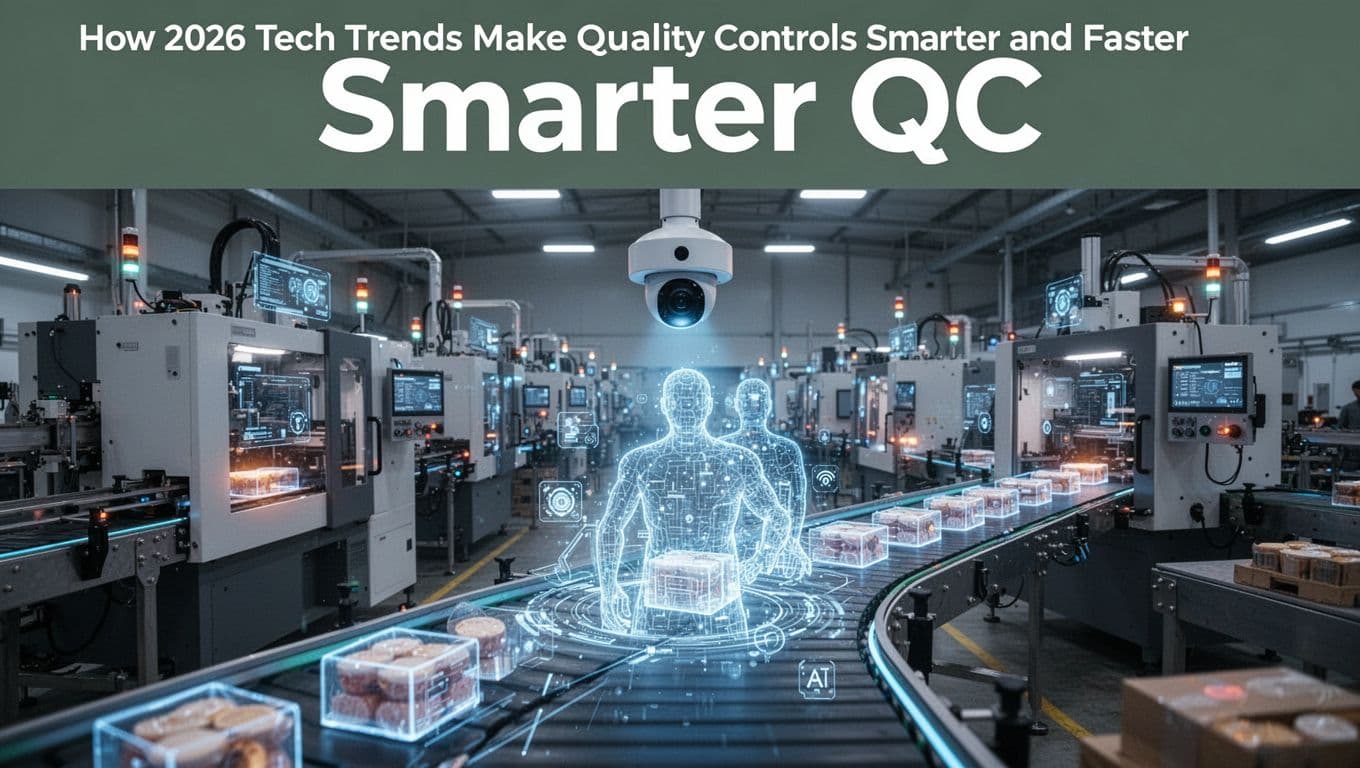
In 2026, quality control gets less “wait and inspect,” and more “see it coming.” AI, IoT sensors, and digital twins help teams spot problems early and predict failures.
Here’s how it plays out in real life:
- AI for smarter checks: AI reviews patterns in data and can spot tiny defects or unusual behavior. It helps shift from fixing after failure to preventing issues sooner.
- IoT as eyes and ears: sensors track machines and conditions in real time, sending alerts when things drift.
- Digital twins for virtual testing: a digital twin is a live computer copy of equipment or a factory. Teams run what-if tests without risking the real process.
The results reported in recent industry updates are strong. Predictive actions from twins and AI can cut unplanned downtime by up to 50%. In design reviews, teams report 50% less time, 80% fewer manual errors, and 90% higher team work alignment.
If you want a current look at how this trend changes quality control, see Quality Control in 2026: From Inspection to Prediction.
Start small. Pick one process that causes the most rework. Add basic measurement first. Then connect it to alerts or AI only after your data is clean.
Conclusion
If the gadget broke fast, you saw what poor quality costs. It hurts trust, and it wastes money.
The good news is that basic quality control methods work across industries. Start with inspection for quick wins, then grow into SPC, sampling, and root cause fixes when issues repeat.
As you use these methods consistently, you build a real advantage. Your customers notice the difference, because fewer defects reach them.
Try one quality control method this week. Then share your biggest QC challenge in the comments, so others can learn from your situation too.